
Best Time of Year to Kiteboard in Cabarete: A Month-by-Month Wind Guide
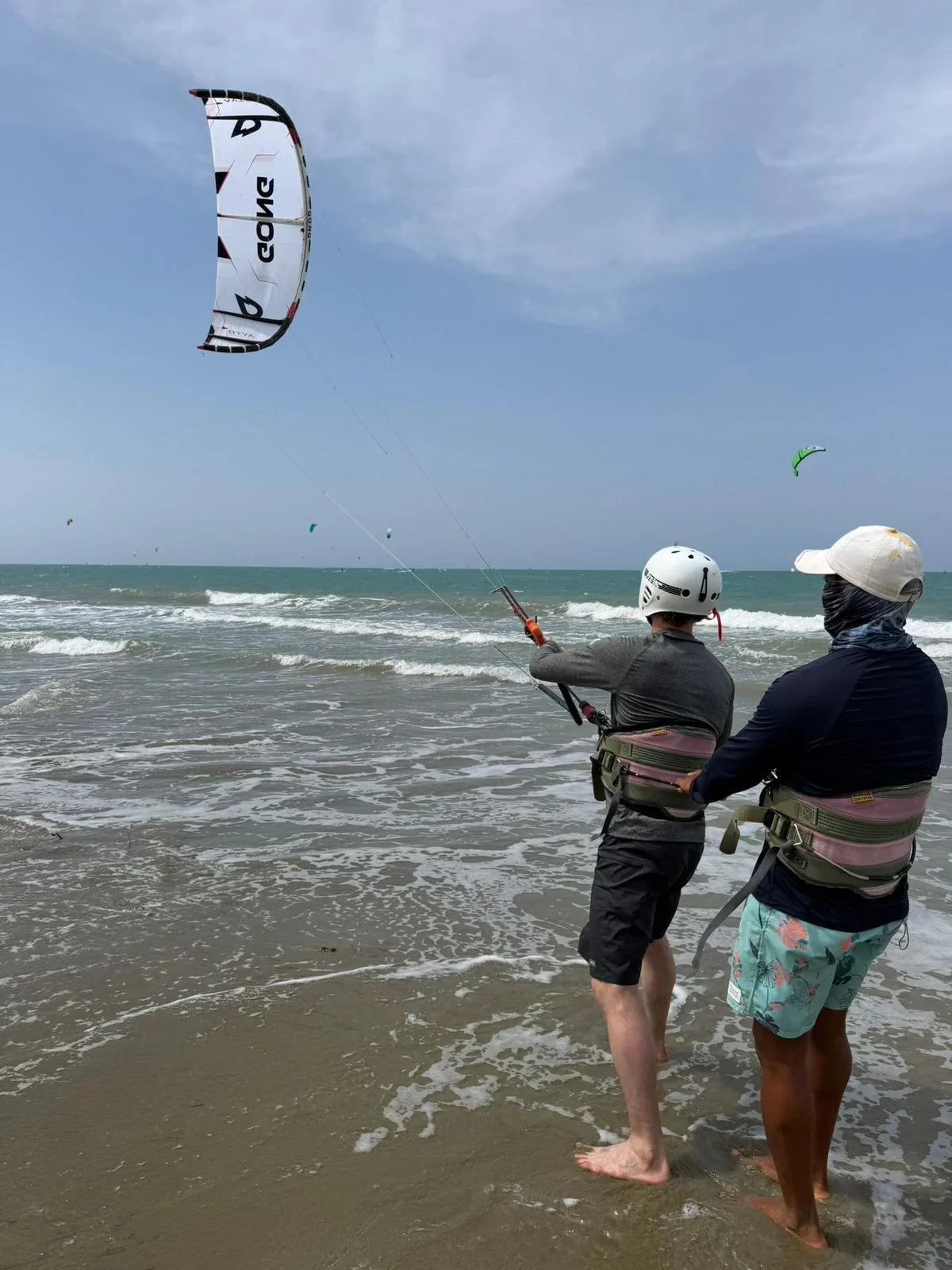
Quick Answer: The best time to kiteboard in Cabarete is June to August, when thermal winds deliver the most consistent 15–30 knot conditions. December to April is a strong second season with lighter 14–24 knot winds ideal for beginners. Cabarete is rideable almost year-round, with 280–350 windy days annually and water at a warm 25–30 °C (77–86 °F).
One of the reasons riders fall in love with Cabarete is brutally simple: the wind almost never stops. But "almost never stops" doesn't mean every month feels the same. The source of the wind, its strength, the crowds, the prices, and the wave size all shift through the year. This month-by-month guide will help you pick the perfect window for your goals — whether that's powered-up summer sessions, gentle beginner breezes, uncrowded shoulder-season value, or waves to pair with your kiting.
The short version
Cabarete enjoys an estimated 280–350 windy days a year — one of the highest counts of any kite destination on the planet. You can plan a trip in almost any month and expect to ride. The two standout seasons are June–August (strongest, most consistent) and December–April (lighter, busier, more beginner-friendly with bigger waves). The quietest, cheapest, and rainiest stretch is May and September–November. For the town's full background, see the Cabarete Wikipedia page.
Where Cabarete's wind actually comes from
Understanding the three wind sources explains why each season feels different:
• Trade winds (year-round): Steady easterly winds blow across the Caribbean all year, providing Cabarete's reliable baseline breeze. They arrive side-onshore, gently pushing riders back toward the beach.
• Thermal winds (summer): In the hot months, intense daily sun heats the land, which draws in a powerful sea breeze that stacks on top of the trades. This thermal effect is why summer wind is so consistent — it typically kicks in around 11 am–noon and builds through the afternoon.
• Cold fronts (winter): From roughly December to April, North Atlantic cold fronts passing to the north add wind (and bigger swells). It's a touch less predictable than the summer thermal engine, but still very reliable.
Peak season: June–August (the windy months)
This is prime time. The combination of strong trades and reliable thermal lift produces the strongest, most consistent conditions of the year — roughly 16–30 knots — which is why advanced and intermediate riders flock here in summer. Smaller kites rule: pack 7–11 m². The trade-offs are heat (often 30 °C+ on land) and the occasional hazy day when Saharan dust drifts across the Atlantic. Crowds are lighter than winter, so there's more room on the water.
Secondary season: December–April (high tourist season)
Winter is the busy social season, driven by holiday travel and people escaping the northern cold. The wind leans on passing cold fronts, so it's a little lighter and more variable — generally 14–24 knots — which makes it a great window for beginners and foilers. Bigger winter swells also mean better waves if you want to surf or wave-ride, so bring larger kites: 9–16 m² (most riders live on an 11 or 12 m²). Expect higher accommodation prices and a livelier town, especially around Christmas and New Year.
Shoulder months: May & September–November
These are the quietest months — fewer crowds, lower prices, and still plenty of rideable days. They're also the rainiest stretch (especially September–November) and the wind is less predictable, so they suit flexible travelers chasing value over guarantees. September in particular is calm and uncrowded as the summer crew heads home. Note that mid-September to mid-October overlaps with peak Atlantic hurricane season; storms usually pass well north or south of the DR, but they can disrupt wind patterns for a few days.
Month-by-month at a glance
Month
Wind outlook
Crowds
Notes
January
Good (14–24 kn, fronts)
High
Peak tourist season, waves, cooler evenings
February
Good (14–24 kn)
High
Reliable winter riding, good waves
March
Good (14–24 kn)
High
Busy, strong secondary season
April
Good, building
Med–High
Transition into thermal season
May
Variable, some rain
Low
Quiet, cheaper, shoulder season
June
Excellent (16–30 kn)
Med
Thermal season begins — often the best month
July
Excellent (16–30 kn)
Med
Strongest, most consistent wind
August
Excellent (16–30 kn)
Med
Powered-up; watch for Saharan dust haze
September
Variable, rainiest
Low
Calmest crowds; hurricane-season caution
October
Variable, rain
Low
Off-season value; less predictable wind
November
Improving
Low–Med
Season starts to turn back on
December
Good (14–24 kn)
High
Holiday crowds, waves return
The La Niña bonus
In some years, the La Niña climate pattern brings stronger, more consistent trade winds across the Caribbean. When La Niña is in play, Cabarete riders often enjoy an extended, windier season — a nice bonus if your trip lines up with one.
Water temperature and what to wear
You'll never need thick neoprene here. The sea stays a balmy 25–30 °C (77–86 °F) all year, so boardshorts, a bikini and a rashguard are the standard kit. A light thermal top is pleasant for long winter sunset sessions. The official Go Dominican Republic travel tips note that the December–early March window also brings the most pleasant air temperatures, with cool morning and evening breezes.
Kite sizes by season (quick reference)
• Summer (Jun–Aug): 7–11 m² (windier — go smaller)
• Winter (Dec–Apr): 9–16 m², typically 11–12 m² (lighter — go bigger)
• Shoulder: 11–14 m² as a flexible middle ground
If you're taking lessons or renting from AGK, the school provides correctly sized kites for the day's conditions, so you don't need to guess.
Which season is best for you?
• Beginners: December–April for lighter, friendlier wind — though you can learn year-round since schools match kite size to conditions.
• Intermediate/advanced riders chasing power: June–August.
• Surfers and wave-riders: December–April for bigger swells.
• Budget travelers and crowd-avoiders: May and September–November.
How to read the Cabarete forecast
Locals plan their day on Windy.com. Watch for the afternoon build — because of the thermal effect, the wind often picks up around late morning to midday and strengthens into the evening, so don't be discouraged by a calm breakfast. Look at gust ranges, wind direction (you want that side-onshore east), and the trend over the day rather than a single number.
What if the wind doesn't blow?
Cabarete is the adventure capital of the Caribbean, so a rare flat day is no disaster. You can surf at nearby Encuentro, paddleboard the bay, snorkel or dive near Sosúa, chase waterfalls, or book a downwind kite retreat to Buen Hombre. The official Dominican Republic tourism site lists plenty more to fill a no-wind window.
How Cabarete's wind season compares to other top destinations
It helps to see why Cabarete earns its reputation when stacked against the world's other famous kite spots. Tarifa in Spain is legendary for wind but can be brutally strong and gusty, and the water is cold. The Egyptian Red Sea (Soma Bay, El Gouna, Dahab) offers superb flatwater and reliable summer wind, but it's a long haul for North American riders and lacks waves. Brazil's northeast coast has incredible season-long trade winds from roughly July to December, but a narrow window outside that. Maui is world-class but expensive, advanced, and weather-dependent.
Cabarete's edge is balance and consistency. It's one of very few destinations with genuinely rideable wind across all twelve months, warm water year-round, and a mix of flatwater and waves within a few kilometers — all a short flight from the US East Coast. You don't get the single windiest spot or the single flattest water, but you get the most complete, most reliable all-round package, which is exactly why it ranks in most riders' global top tier. For broader country context, see the Dominican Republic Wikipedia page.
Understanding the daily wind cycle
One thing that trips up first-time visitors is the daily rhythm of the wind, especially in summer. Don't be alarmed by a glassy, windless morning — that's completely normal. The thermal sea breeze that powers Cabarete's best sessions needs the sun to heat the land first, so the wind typically fills in around late morning to midday and builds through the afternoon, often peaking in the late afternoon and holding into the early evening. The local wisdom is simple: have a relaxed breakfast, run errands or surf in the morning, and plan your kite sessions for the afternoon.
This is why the locals obsessively check Windy.com — not just for whether it'll be windy, but for when the wind will arrive and how strong the gusts will run. Learn to read the day's trend rather than fixating on a single number, and you'll rarely miss a session.
What about tides?
Good news for foilers and beginners: the Dominican Republic's North Coast has a relatively small tidal range, so you won't see the dramatic shifts that catch riders out at some destinations. There's generally enough water over the reef for foiling throughout the day, and the beach launch areas stay usable across the tide cycle. Tides have a minor influence on how the waves break on the outside reef, but for most riders — especially those learning in the bay — tide planning is far less of a concern here than wind timing.
Plan your trip
Whatever month you choose, you'll find wind waiting in Cabarete. Check AGK's lesson and package pricing to line up your sessions, and message the team on WhatsApp to tailor a plan around your dates.
FAQ
What month has the best wind in Cabarete?
June and July are usually the windiest and most consistent, thanks to strong summer thermal winds that reliably fill in each afternoon on top of the year-round trade winds.
Can you kiteboard in Cabarete in winter?
Yes. December through April still offers good wind (around 14–24 knots) from passing cold fronts, plus bigger waves — it's a popular, beginner-friendly season, though slightly lighter and more variable than summer.
How many windy days does Cabarete get per year?
Most local sources cite between 280 and 350 windy days per year, making Cabarete one of the most reliable kiteboarding destinations in the world.
What kite sizes should I bring to Cabarete?
Bring smaller kites (7–11 m²) for the windy summer months and larger kites (9–16 m²) for the lighter winter season. Schools like AGK provide correctly sized kites if you're taking lessons or renting.
Is there a rainy or hurricane season in Cabarete?
The rainiest months are generally May and September–November. Mid-September to mid-October overlaps peak Atlantic hurricane season; storms usually pass north or south of the DR but can briefly disrupt wind patterns.
What time of day is windiest in Cabarete?
Because of the thermal sea-breeze effect, wind typically builds from late morning to midday and strengthens through the afternoon and early evening, so afternoons are usually the windiest, most reliable sessions.
Does it ever get too windy to kite in Cabarete?
On some peak summer days the wind blows strong (25–30+ knots), which suits experienced riders on smaller kites. Beginners simply ride in the morning or on lighter days, and schools select the right kite size for conditions, so there's almost always a rideable window.
Can complete beginners learn in any season?
Yes. Although December–April offers the lightest, most forgiving wind for first-timers, you can learn year-round in Cabarete because instructors match kite size to the day's conditions and choose sessions suited to your level.